Restaurant POS software should connect the front counter, waiters, kitchen, payments, stock and end-of-shift reconciliation. Public Nigerian restaurant systems currently show software plans around ₦10,000 to ₦35,000 per month at the lower and mid market, while some products add hardware, setup or transaction fees. The cheapest plan is not the best value if orders still have to be re-entered in the kitchen or stock cannot be reconciled.
POS terminal versus restaurant POS software
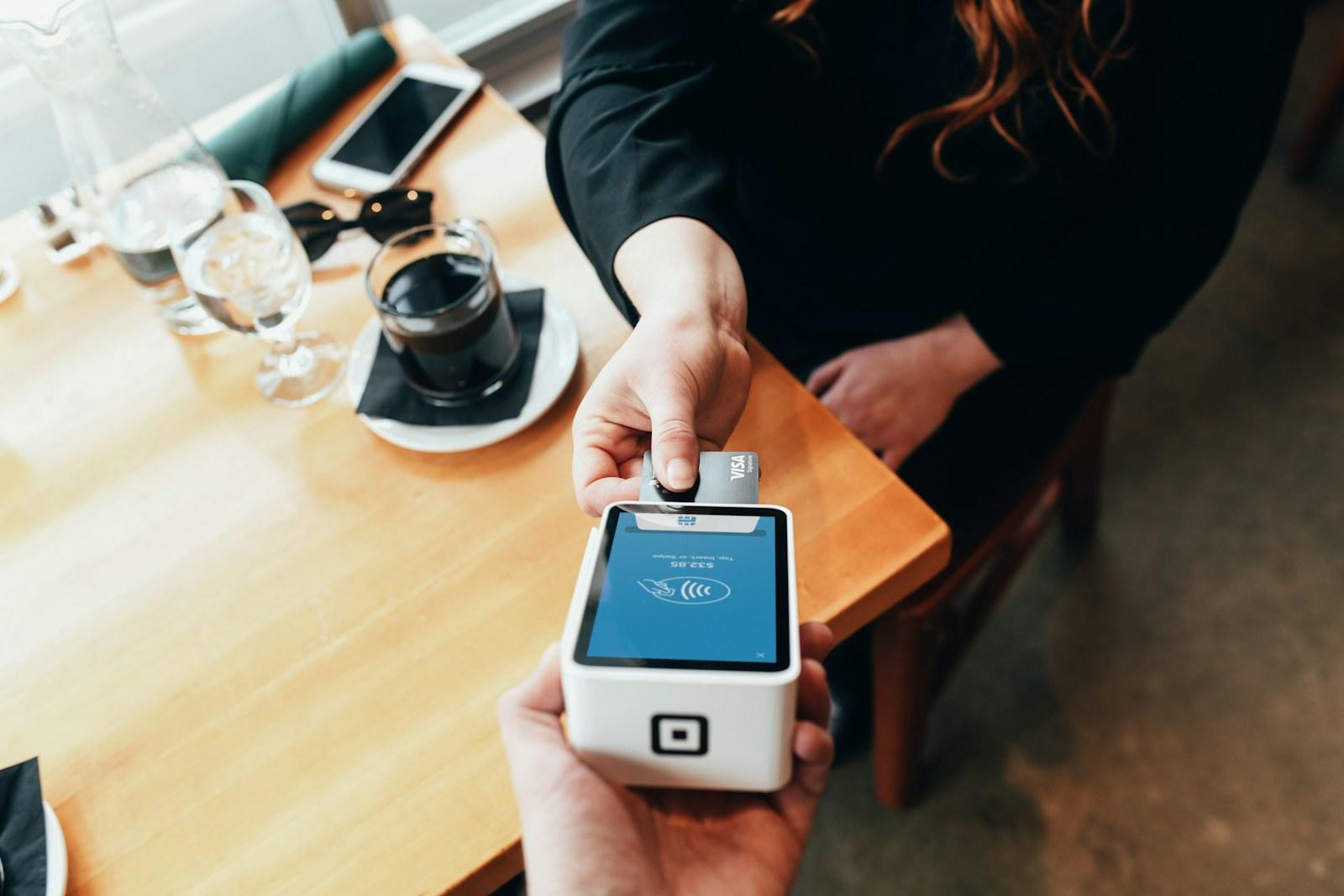
In Nigeria, POS often means a payment terminal. A restaurant POS system is different: it records the order, sends it to the correct preparation point, applies pricing and discounts, tracks the staff member, updates stock where configured, and reconciles the shift.
The payment terminal can be one input into that workflow, but it should not be confused with the operational system.
Features that matter in a real restaurant
- Fast order entry for dine-in, takeaway and delivery.
- Table, waiter and shift management where applicable.
- Kitchen tickets or kitchen display screens.
- Modifiers, add-ons, combos and menu availability.
- Recipe or ingredient-level stock deduction for high-control operations.
- Cash, transfer, card and split-payment recording.
- Void, discount and refund permissions with audit logs.
- Daily sales, cashier reconciliation and product reports.
- Multi-branch menu, pricing and reporting for chains.
- Online ordering or delivery-platform integration where relevant.

What does restaurant software cost?
| Cost layer | Typical pattern | Planning note |
|---|---|---|
| Cloud POS subscription | About ₦10k-₦35k/month on several public local plans | Confirm user, branch and feature limits. |
| POS device / printer | One-off hardware | May include tablet, receipt printer, cash drawer or kitchen printer. |
| Setup and training | One-off or bundled | Important when menus, recipes and roles are complex. |
| Custom restaurant platform | Scope-based | Makes sense for chains, unusual workflows or deep integrations. |
The inventory question
A restaurant does not consume stock the same way as a retail shop. One plate can consume several ingredients, while wastage, staff meals, complimentary items and portion variation can distort theoretical stock.
If food cost control matters, ask whether the system supports recipes, unit conversion, stock transfers, wastage and variance reporting. If you only need sales totals, a basic POS may be enough.
What to test during a demo
- Create an order, modify it, split the bill and move it to another table.
- Send different items to bar and kitchen preparation points.
- Void an item after it has been sent and see the approval trail.
- Close a shift and reconcile cash, transfers and card payments.
- Mark a menu item unavailable and confirm it disappears where it should.
- Test internet failure behaviour before you depend on the system on a busy Friday night.
Frequently asked questions
Do I need expensive POS hardware?
Not always. Some modern restaurant systems can run on tablets or existing devices, while high-volume venues may benefit from dedicated terminals and printers.
Can restaurant POS track ingredients?
Some systems can, but not every POS has recipe-level inventory. Confirm how ingredients, units, wastage and transfers are handled.
What should a multi-branch restaurant prioritize?
Central menu control, branch-level prices where needed, stock transfers, role permissions, consolidated reporting and reliable branch synchronization.
Should delivery orders be in the same system?
Ideally yes, or integrated. Re-entering delivery orders manually creates mistakes and makes sales and inventory harder to reconcile.
Running a restaurant with unusual workflows? Nivarix can help connect ordering, inventory, online sales and internal operations or build a custom hospitality platform when standard POS products are not enough. Talk to Nivarix.
Related reading: inventory management software.
Photography: cover by Blake Wisz; article photo by Pylyp Sukhenko, via Unsplash. Photos are illustrative.