
Quick answer: For most Nigerian SMEs, the best POS software is not the tool with the longest feature list. It is the one that keeps selling when the network is unstable, records cash/transfer/card correctly, updates stock, controls staff access and gives the owner clear Naira reports. InkeepX and Qountify are strong Nigeria-focused low-cost options, Opsuite targets businesses wanting a broader all-in-one suite, while Loyverse remains attractive for a free core POS with paid advanced add-ons.
First: POS software is not the same as a POS terminal
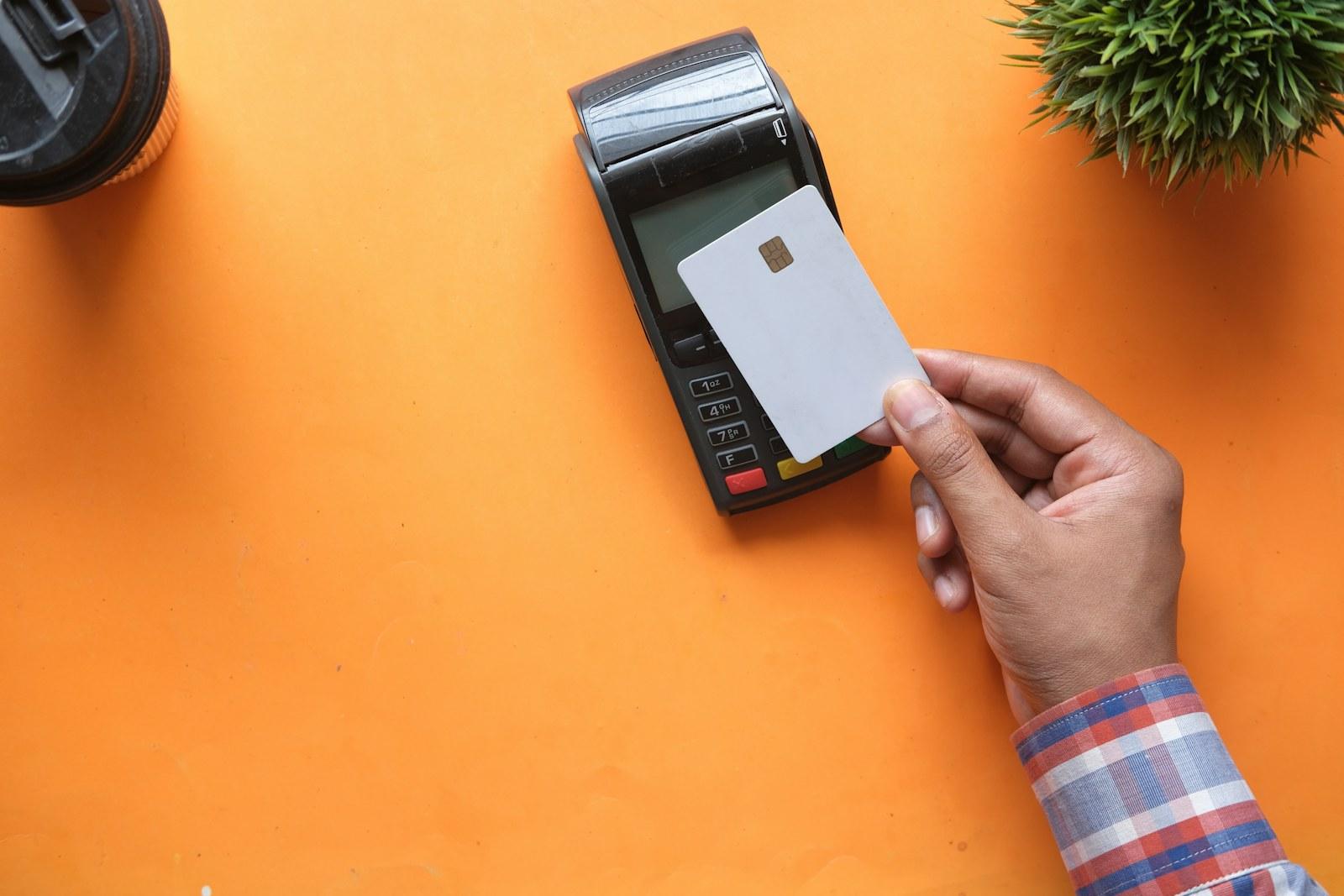
In Nigeria, “POS” can mean the Moniepoint, OPay or bank terminal used to move money. POS software is the business system that records the sale, reduces stock, tracks staff and produces reports. A payment terminal can confirm that ₦25,000 moved. It does not automatically know which three products were sold or what profit the business made.
This comparison focuses on business-management POS software.
Quick comparison
| Product | Published starting price / model | Strong fit | Important note |
|---|---|---|---|
| InkeepX | Free plan; paid from about ₦5,000/month | Retail, pharmacy, hospitality SMEs wanting Naira pricing and offline operation | Vendor strongly markets its own product, so test it against your workflow |
| Qountify | Free to start; public location pages show plans from about ₦5,000, ₦10,000 and ₦35,000/month | Small/growing Nigerian businesses wanting POS + inventory + online store/bookings | Good all-in-one proposition; confirm current plan limits |
| Opsuite | Plans start around ₦29,000/month | Businesses wanting POS plus accounting, CRM, payroll, attendance and other modules | Higher entry price but broader suite |
| Loyverse | Core POS/inventory free; optional add-ons such as advanced inventory and employee management at $25/store/month each | Businesses comfortable with a global product and USD add-ons | Currency exposure and local payment workflow should be tested |
What matters most in Nigeria
- Offline mode. A checkout system should not stop because the network drops.
- Naira pricing. USD subscriptions introduce exchange-rate risk.
- Cash, transfer and card recording. Software should reflect how customers actually pay.
- Inventory depth. Variants, purchase orders, supplier history, transfers and stock counts matter as the business grows.
- Staff permissions and audit trail. Owners should know who sold, discounted, voided or changed stock.
- Multi-branch control. Branch stock and sales should not require separate spreadsheets.
- Local support and onboarding. The best features are useless if setup fails.
Which one fits which business?
- New single-location shop: test the free tiers of Nigeria-focused tools before buying hardware-heavy systems.
- Multi-branch retail: prioritise stock transfer, central reporting, user roles and audit logs over flashy dashboards.
- Restaurant/cafe: table, kitchen, modifier/recipe and shift workflows become more important than generic retail features.
- Pharmacy: batch/expiry, controlled records and procurement depth matter more than a normal retail catalogue.
- Business needing one broad suite: a platform such as Opsuite may reduce the number of separate accounting/CRM/HR tools, but test each module depth.
A simple scorecard before you buy
| Test | Pass condition |
|---|---|
| Internet goes off | Cashier can continue selling and data syncs later |
| Stock count | Owner can trace adjustments, purchases, transfers and shrinkage |
| Staff access | Cashiers cannot see or change everything |
| Reports | Sales, profit and stock reports can be exported and explained |
| Payments | Cash, transfer and card are all recorded correctly |
| Migration | Products can be imported without days of manual entry |
| Exit plan | You can export your sales, customer and inventory data |
Do not choose from a blog ranking alone
Most “best POS” articles are written by POS vendors, including several pages that dominate this search. That does not make the products bad, but it means the reader should expect bias.
Nivarix does not operate any of the POS products in this comparison. Use this guide to build a shortlist, then test two or three products with your own staff, products and weak-network conditions before paying annually.
Frequently asked questions
How much does POS software cost in Nigeria?
Current public plans range from free entry tiers to roughly ₦5,000-₦50,000+ per month for SME and multi-branch systems. Imported tools may add USD-priced features.
Can POS software work without internet?
Some products offer offline selling and sync later, but implementations differ. Test the exact workflow before relying on the claim.
Do I need to buy a POS machine to use POS software?
Not always. Many systems run on phones, tablets or computers and can record cash or transfer payments separately from a payment terminal.
What is the most important POS feature?
For most retailers, reliable sales recording plus accurate inventory is the foundation. Everything else becomes more useful after those two are dependable.
If none of the available POS products fits your workflow, Nivarix can help determine whether configuration, integration or custom software is the more economical next step. Discuss your project with Nivarix.
Related reading: inventory management software; restaurant POS software.
Sources and price-checking notes
Indicative ranges are planning guides, not Nivarix rates or a quotation. Provider prices and features can change; check the linked provider page before making a purchase or financial forecast. The product comparisons are selection guides, not a guarantee that one product fits every business.
Photography: cover by Clay Banks; article photo by Oxana Melis, via Unsplash. Photos are illustrative.