A common question for a growing dental practice is whether it needs a website when it already posts on Instagram and receives enquiries on WhatsApp. The better question is how each channel helps a prospective patient make a decision.
Instagram, Google Business Profile, and a clinic website do different jobs. Treating them as interchangeable can leave gaps in your patient enquiry journey.
What each channel is actually good at
| Channel | Main strength | Limitation |
|---|---|---|
| Showing the team, practice environment, updates, and educational content | Posts are not a structured replacement for treatment pages, branch information, or a consistent enquiry journey | |
| Google Business Profile | Helping local searchers find practical information, maps, reviews, and contact options | Your profile has limited room for deeper explanations and you do not control the platform |
| Clinic website | Providing organized, updatable treatment information, team profiles, FAQs, and appointment requests | Needs ongoing maintenance and visibility-building to attract visitors |
The strongest setup connects all three rather than expecting one to do everything.
Scenario one: someone discovers your clinic on Instagram
A patient sees a post introducing a dentist or explaining a general oral-health topic. They want to know whether the practice offers a relevant service, where the clinic is located, and what the appointment process looks like.
A strong link in the profile leads to a clinic website, not only a generic “message us” instruction. On the website they can explore treatments, understand the practice, and choose whether to call or send a booking request.
Instagram starts the conversation. The website helps answer the questions that follow.
Scenario two: someone searches for a dentist nearby
This visitor may have never encountered the practice on social media. They may compare opening hours, locations, and reviews directly in Google Search or Maps.
Google explains that local search visibility is influenced by relevance, distance, and prominence and recommends keeping Business Profile information accurate and complete. Google's local ranking guidance (https://support.google.com/business/answer/7091?hl=en) is a better reference than anyone promising to guarantee the number-one local result.
A clinic website gives these visitors additional depth: treatment descriptions, team profiles, accessibility information, branch details, and clear appointment steps.
Scenario three: a patient has a recommendation
A friend recommends a practice. The prospective patient types its name into a search engine. If the clinic has only social media profiles, the visitor may struggle to find a single reliable source for location, hours, treatment availability, and directions.
A professional website becomes an owned destination for this decision. It does not replace word of mouth; it helps support it.
What to do if your budget is limited
Start with a truthful, complete Google Business Profile and consistent business contact information. Continue publishing useful, clinically reviewed social content. Then build a focused website that covers the essentials:
- Practice location and opening hours.
- Treatments and services explained in accessible language.
- Verified team information and authentic photos.
- Clear WhatsApp, phone, or appointment-request routes.
- Privacy information and reliable mobile performance.
You do not need to build a patient portal, automated recall engine, or mobile application as your first step.
How to connect the channels
Use the same practice name, address, contact details, and hours across the site and profiles. Link your Business Profile and social biographies to the correct website page. Ensure the site's primary contact actions actually work.
For campaign posts about a specific treatment, send visitors to an appropriate treatment page rather than the generic homepage—provided the page gives them useful information and isn't just advertising copy.
Use analytics to understand traffic sources and website actions, but remember that a click to WhatsApp is not the same thing as an actual appointment. Track qualified enquiries separately in the clinic's workflow.
Three common mistakes
Mistake one: “We have Instagram, so we're visible everywhere.” Social reach and local search visibility are different. Not every potential patient follows or uses the same platforms.
Mistake two: “Our website will bring patients automatically.” A website needs accurate content, local visibility, a good reputation, and a responsive team behind it.
Mistake three: “We need a complicated system before launching.” A simple, reliable website with honest information and a working enquiry route can be a better starting point than an unfinished platform.
A practical 30-day improvement plan
Week 1: Audit clinic name, address, hours, phone, and photos across channels. Correct inconsistencies.
Week 2: Identify the top patient questions that your current social content doesn't answer clearly.
Week 3: Publish or improve treatment and contact pages on the website. Test the appointment path.
Week 4: Link the channels, measure enquiries, and review whether clinic staff can respond in a timely manner.
Build around the patient, not the platform
A healthy digital presence doesn't depend on choosing one channel and ignoring the others. It depends on making the journey from discovery to contact straightforward.
Nivarix develops websites for dental practices and other healthcare businesses. Explore our dental clinic website services (https://nivarix.com/industries/dental-clinics), or discuss what your practice needs (https://nivarix.com/contact) before deciding which features to invest in.
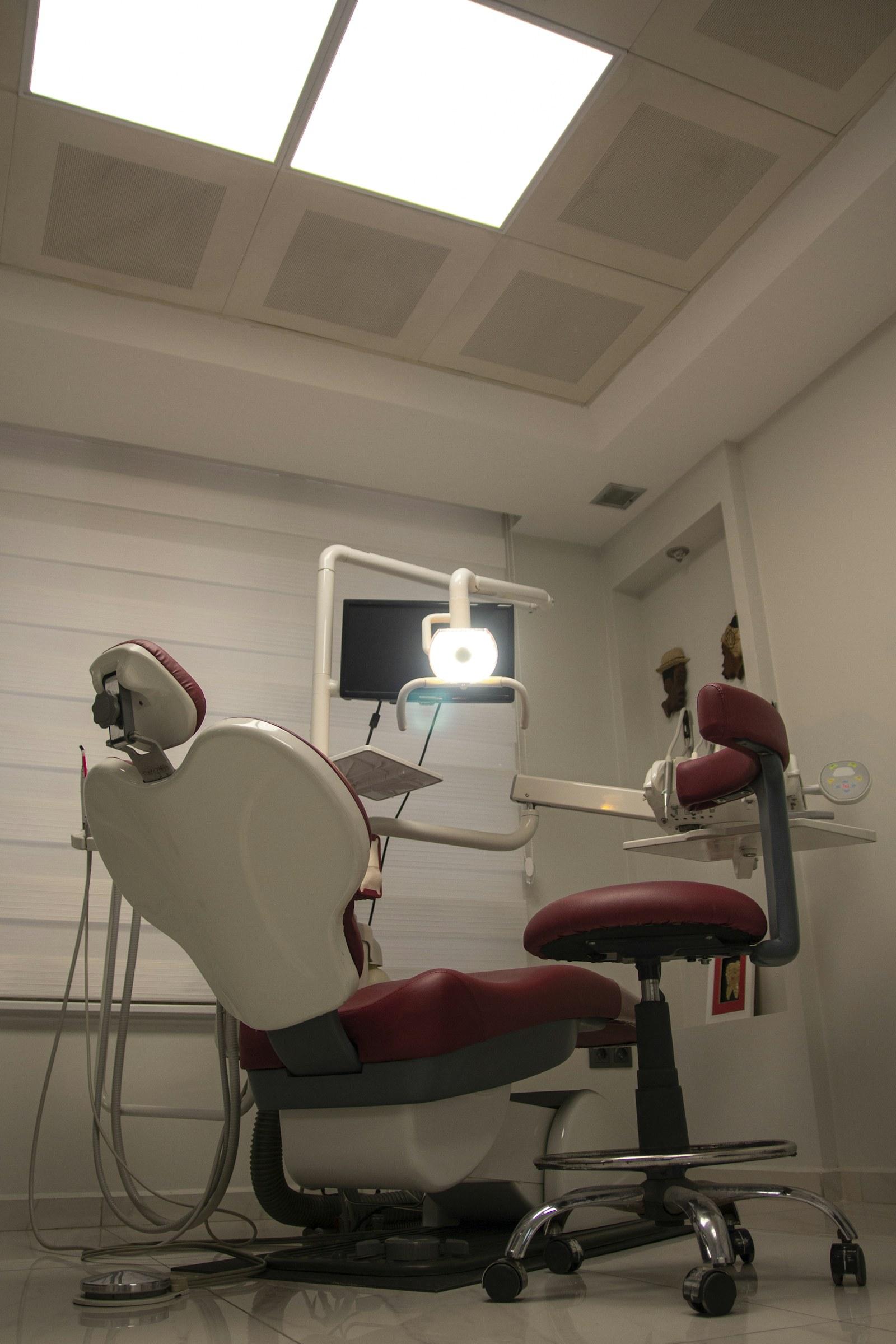
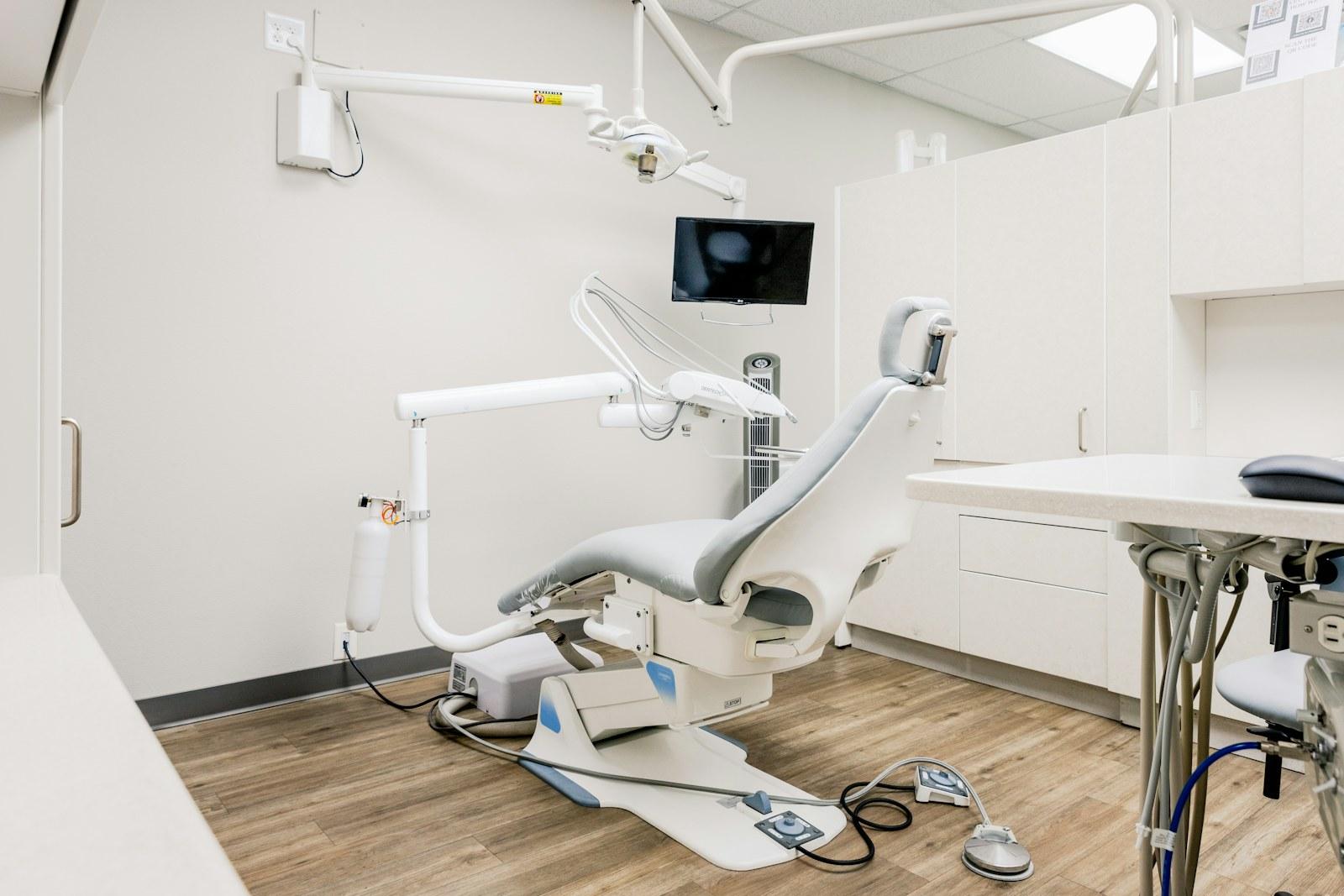
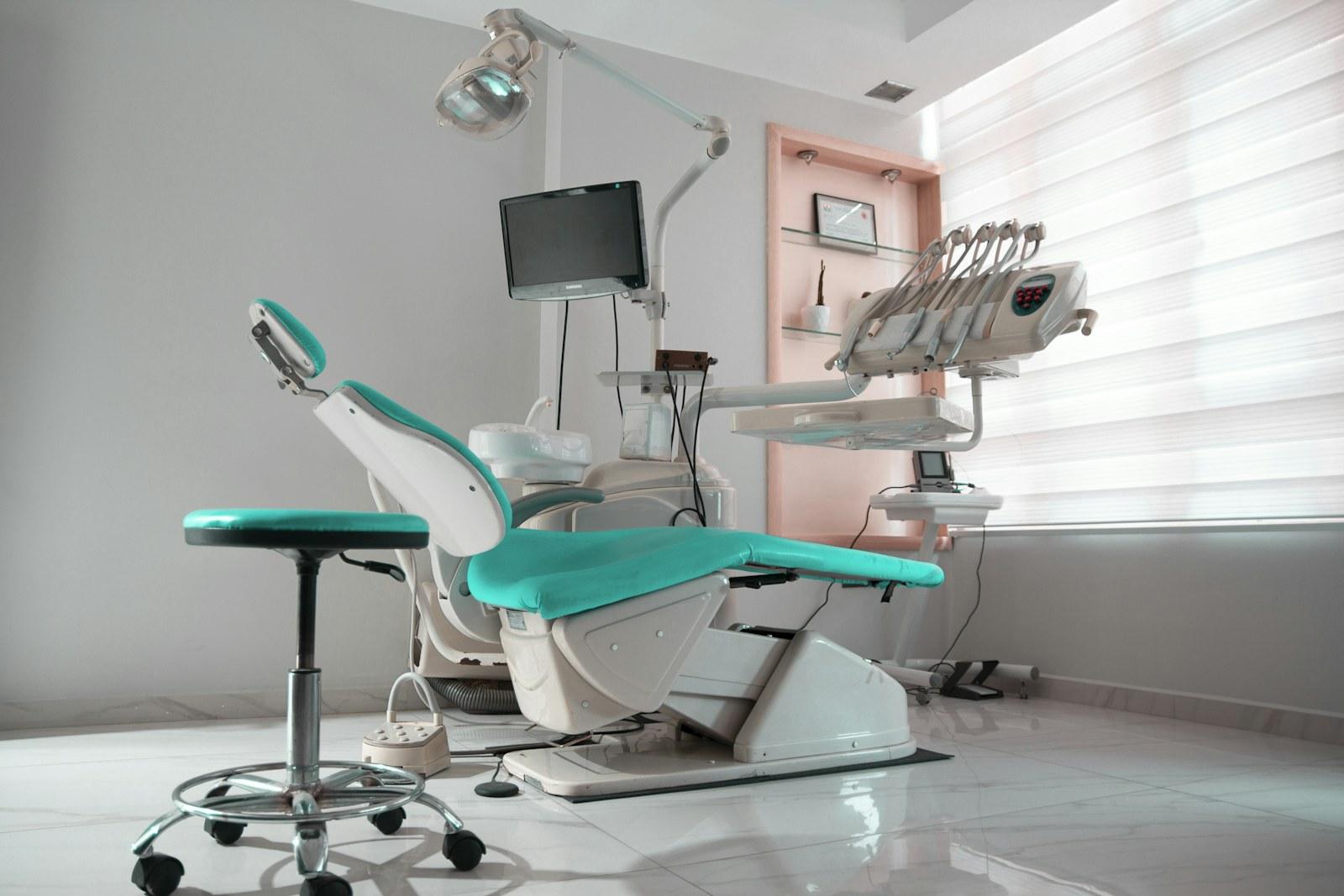
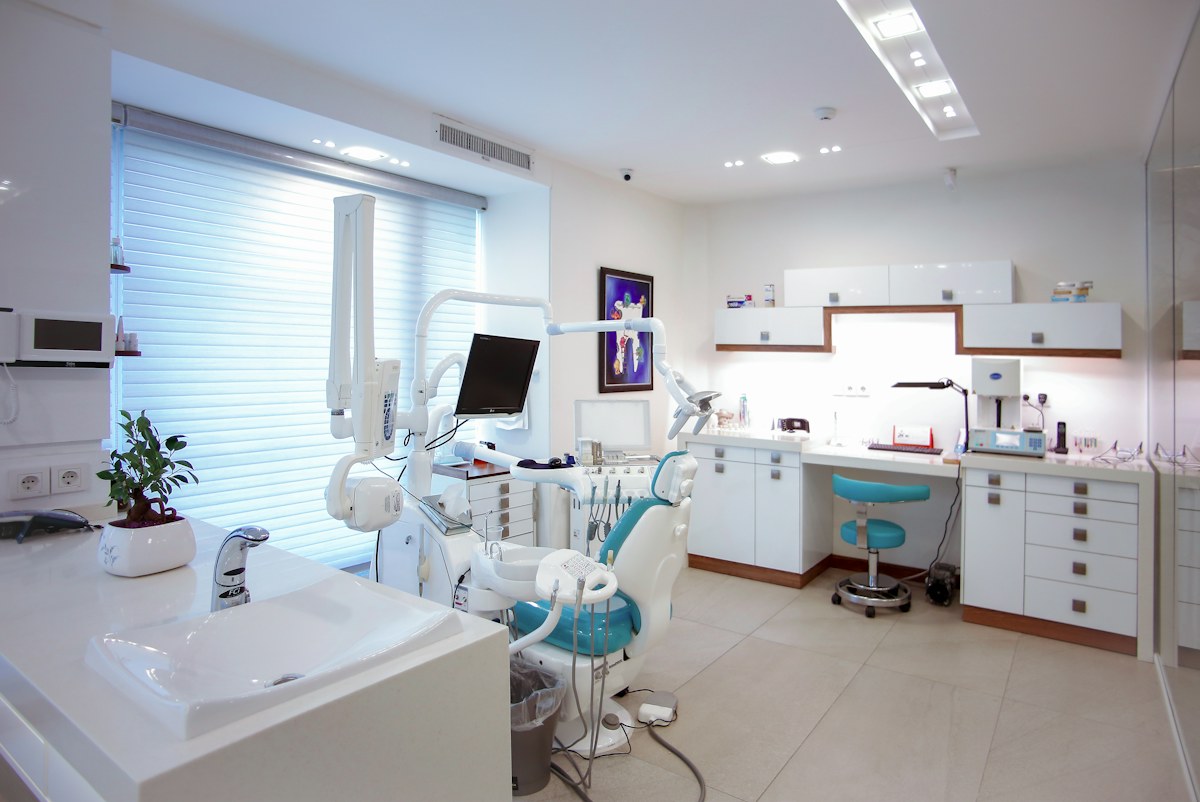
Illustrative photography: cover by Ozkan Guner; article photo by Benyamin Bohlouli, via Unsplash. People and places shown are not Nivarix clients or projects.