
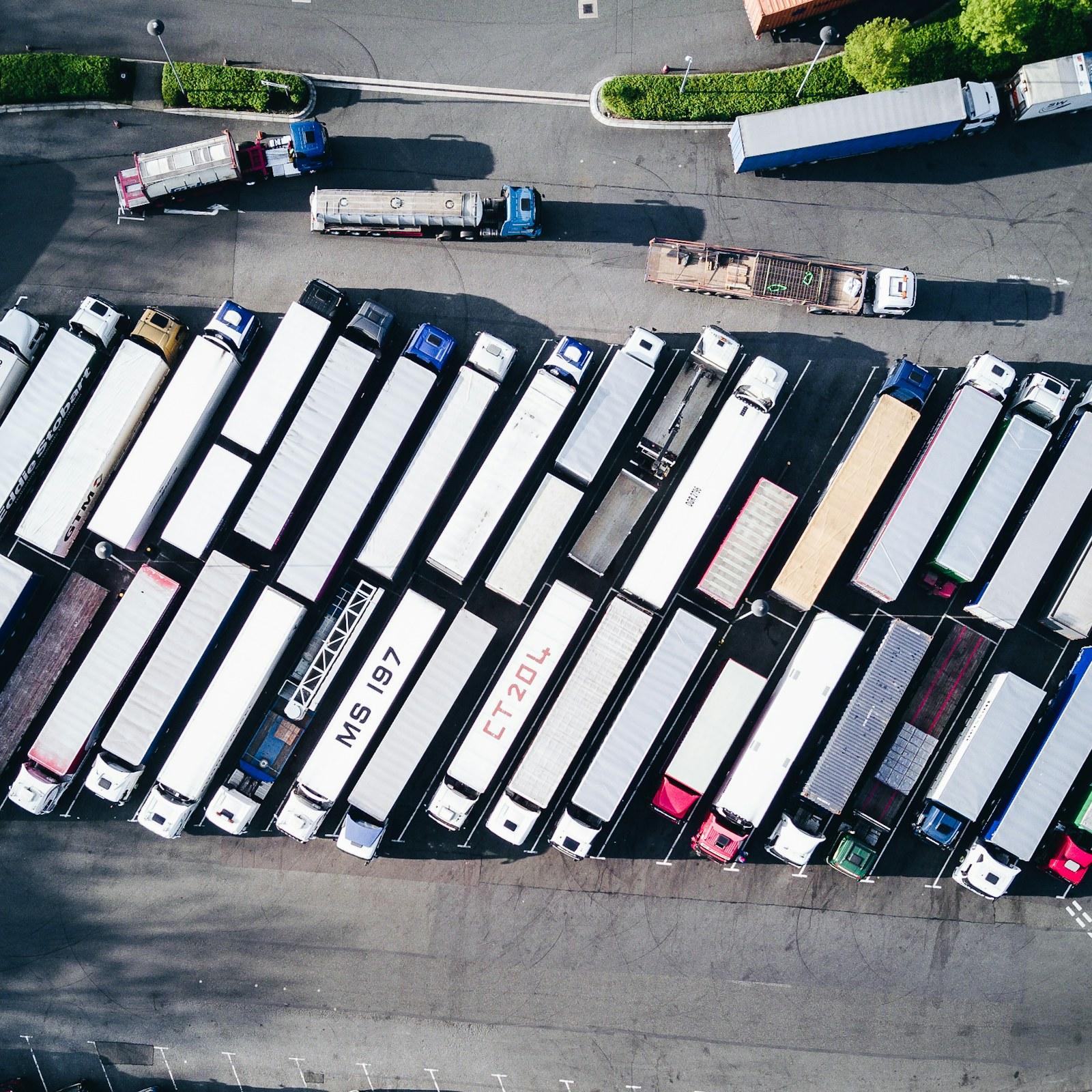
Fleet software can be as simple as a vehicle register and maintenance tracker or as deep as GPS, fuel sensors, driver scoring and telematics. Nigerian providers commonly separate a one-off hardware cost from a per-vehicle monthly software/data subscription, while software-only platforms may avoid dedicated hardware. Public 2026 offerings show how wide the range is, from a few thousand naira per vehicle per month for tracking layers to higher telematics packages with hardware, fuel sensors and diagnostics.
GPS tracking is only one part of fleet management
A GPS dot tells you where a vehicle is. Fleet management should help answer more expensive questions: what the vehicle costs to run, when it is due for service, who drove it, whether fuel use is abnormal, what documents are expiring, and how much useful work the asset performs.
Some businesses need telematics hardware. Others mainly need disciplined records and approvals. Buy the data you will actually act on.
Core capability checklist
- Vehicle register, ownership and document expiry.
- Driver assignment, licence records and incident history.
- Preventive maintenance by date, mileage or engine hours.
- Fuel purchase, consumption and anomaly tracking.
- Trips, route history, utilization and cost per vehicle.
- GPS location, geofences and movement alerts where required.
- Driver behaviour or speed monitoring where appropriate.
- Repair approvals, vendors and service history.
- Management dashboards and exportable reports.
- API or accounting integration for larger fleets.
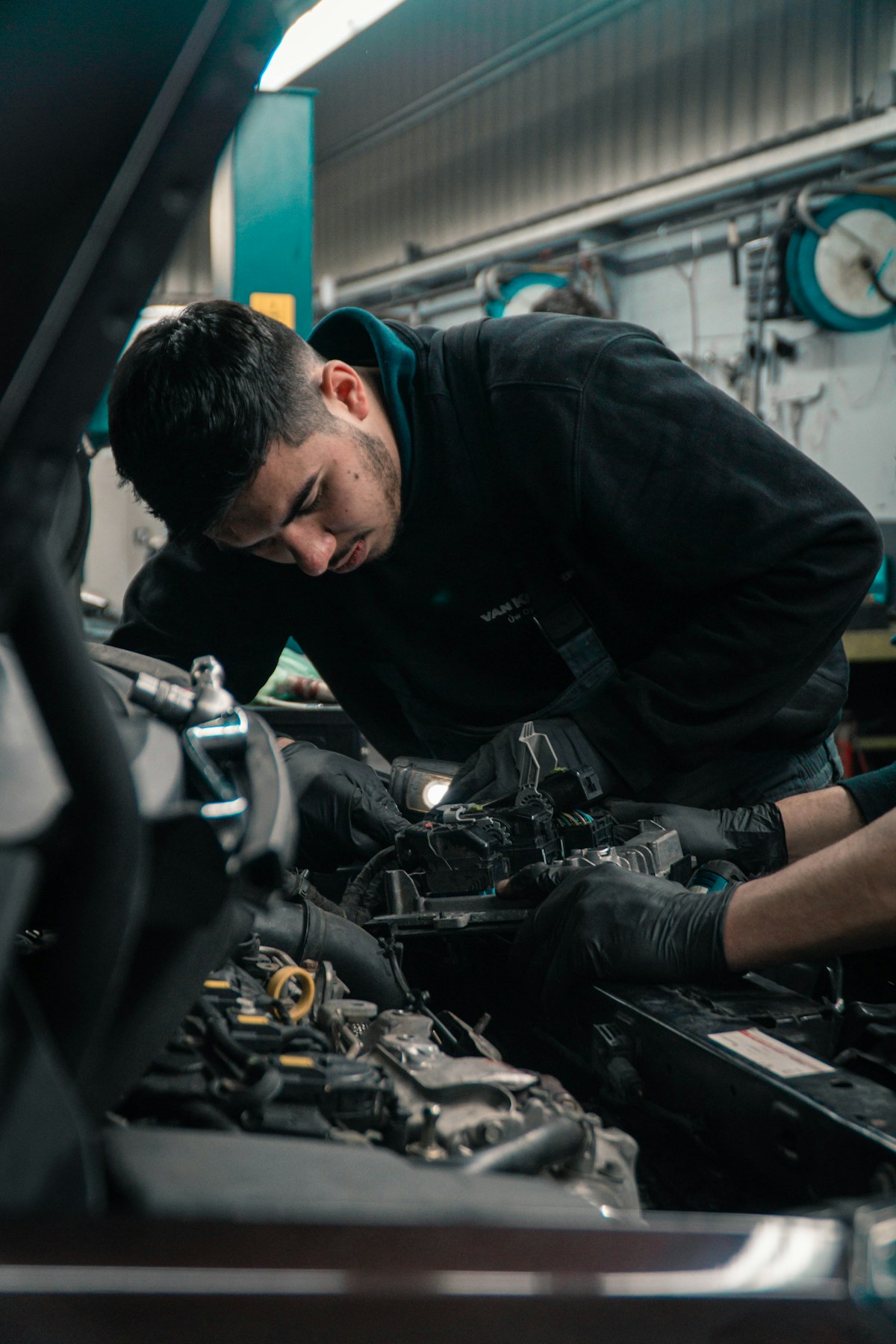
How fleet software is priced
| Cost layer | Typical model | What moves the price |
|---|---|---|
| Software-only fleet records | Per user, fleet or vehicle | Modules, reports, integrations, fleet size. |
| GPS tracking | Hardware + per-vehicle monthly subscription | Update frequency, SIM/data, platform features. |
| Advanced telematics | Higher hardware and subscription | Fuel probes, OBD, cameras, diagnostics, remote control. |
| Custom fleet platform | Scope-based | Unique dispatch, approvals, finance and partner integrations. |
What to test before buying hardware
- Coverage on the routes your vehicles actually use.
- What happens when the device loses network signal.
- How accurate fuel and sensor data is on your vehicle types.
- Installation warranty and who supports device faults.
- Whether historical data can be exported if you change provider.
- Battery, tamper and device-offline alerts.
- The actual total cost per vehicle over 24-36 months.
Fleet data should drive decisions
The value is not the map itself. The value comes from decisions such as removing an underused vehicle, scheduling maintenance before a breakdown, challenging abnormal fuel use, improving driver behaviour or comparing route and vehicle cost.
If nobody reviews the dashboard or acts on exceptions, adding more sensors will not create savings by itself.
Frequently asked questions
Do I need GPS hardware for fleet software?
Not always. You can manage documents, maintenance, fuel and costs without GPS. Real-time location and telematics normally require a device or compatible vehicle data source.
What is the difference between fleet and logistics software?
Fleet software manages the vehicles and drivers as assets. Logistics software manages customer orders, dispatch, delivery status and proof of delivery. Some products combine both.
Can fleet software detect fuel theft?
It can identify unusual patterns when fuel transaction, distance and sensor data are reliable. It should be treated as an exception signal, not automatic proof of wrongdoing.
Should a small fleet use spreadsheets?
A disciplined spreadsheet may work for a very small fleet. Software becomes more valuable when reminders, approvals, history, multiple staff and reliable cost-per-vehicle reporting become difficult to maintain manually.
Need fleet operations connected to the rest of the business? Nivarix can help integrate fleet records with logistics, finance and internal approvals or build custom fleet workflows around your vehicles and operating model. Talk to Nivarix.
Related reading: logistics management software.
Photography: cover by Nigel Tadyanehondo; article photo by Sten Rademaker, via Unsplash. Photos are illustrative.