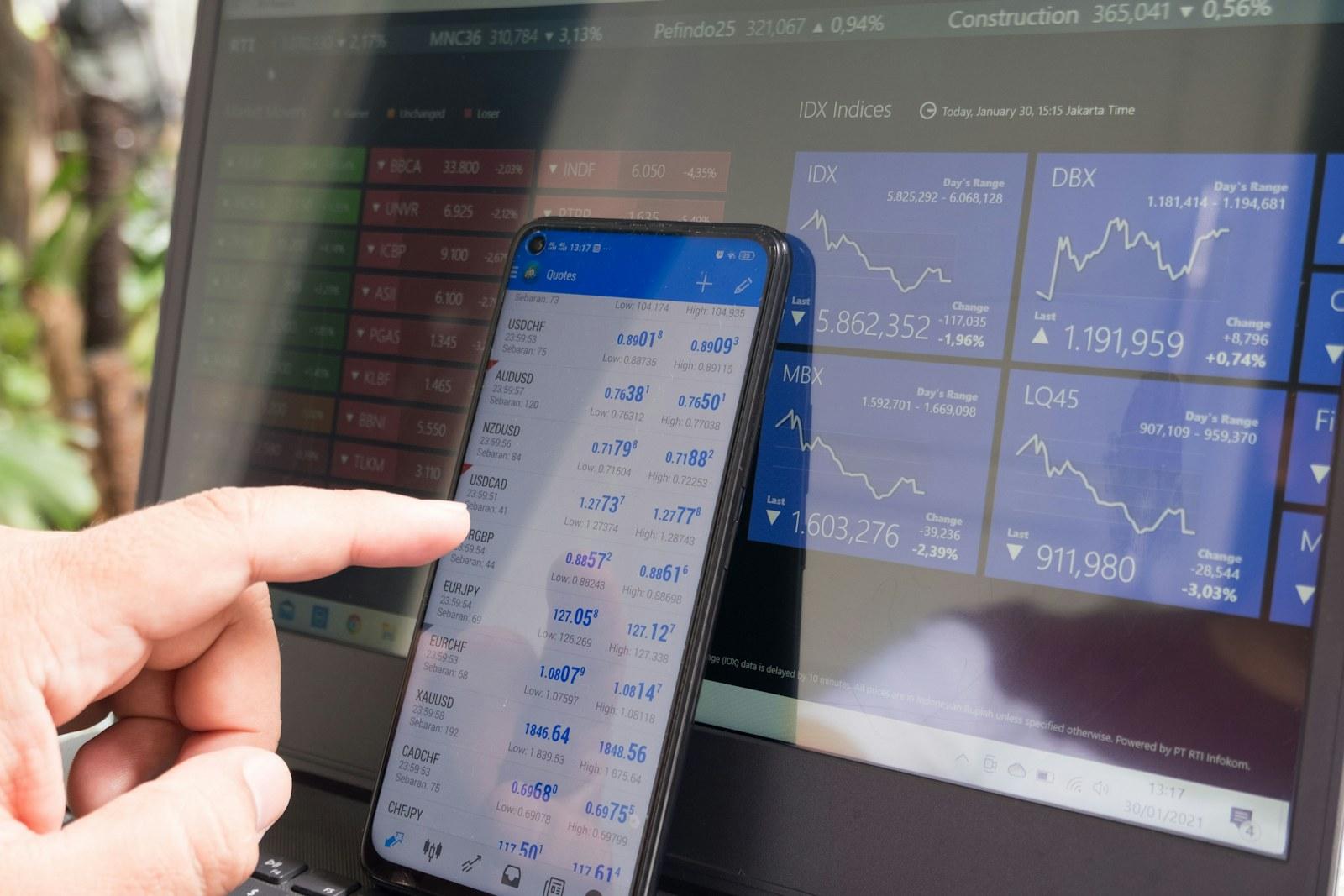

A marketplace is not simply an online store with extra vendors. It usually needs buyer, seller and admin experiences plus rules for listings, commissions, payouts, disputes and trust. Public Nigerian 2026 estimates place listing-only marketplaces around ₦4m-₦10m, lean transaction marketplaces around ₦8m-₦20m, and fuller platforms with logistics, advanced disputes and several apps around ₦20m-₦50m+. The fastest way to reduce the budget is to reduce sides and complexity, not to remove essential trust controls.
Why marketplaces are expensive
A normal e-commerce store has one merchant. A marketplace has to operate many independent sellers or service providers while protecting the buyer and enforcing platform rules.
That means seller onboarding, listings, commissions, payouts, moderation, disputes and platform-level support all have to exist alongside the buyer experience.
Indicative 2026 marketplace budgets
| Marketplace level | Typical scope | Indicative range |
|---|---|---|
| Listings marketplace | Browse, list, contact, moderation; no in-app settlement | ₦4m-₦10m |
| Lean transaction MVP | Buyer flow, seller portal, payments, basic ratings/disputes, admin | ₦8m-₦20m |
| Full marketplace | Advanced seller tools, logistics, payouts, disputes, promotions, analytics | ₦20m-₦50m+ |
| Complex regulated marketplace | Escrow-like flows, credit, high compliance or multiple countries | Scope-based |

The three products inside one marketplace
| Buyer | Seller / provider | Platform admin |
|---|---|---|
| Search, filters, cart/request, checkout | Onboarding, listings, stock/availability, order management | Approvals, categories, commissions, moderation |
| Tracking, messaging, reviews | Earnings, statements, payout details | Disputes, refunds, payout runs |
| Support and account controls | Performance metrics and notifications | Fraud review, analytics and support tools |
Payment design changes the risk
If the platform takes money and later settles sellers, the product needs reliable transaction states, settlement records, refunds and reconciliation. The legal and regulatory implications depend on how funds are actually handled.
Use licensed payment partners and get appropriate professional advice before designing any model that involves holding customer funds or acting like an escrow service. Payment logic should follow the approved commercial and regulatory model, not the other way around.
What belongs in a marketplace MVP
- One clear category or use case.
- Buyer discovery and one transaction or request flow.
- A seller web portal rather than a second native app if possible.
- Simple, enforceable commission rules.
- Basic trust signals and moderation.
- A clear dispute and support path.
- Admin tools to operate the marketplace without database edits.
Metrics founders should define before building
- Active buyers and sellers, not just registrations.
- Time to first successful transaction.
- Conversion from listing view to order or request.
- Order completion or job completion rate.
- Dispute and refund rate.
- Seller repeat activity and buyer repeat rate.
- Take rate and contribution margin after payment, support and incentives.
Frequently asked questions
Do I need separate buyer and seller apps?
No. Many marketplaces launch with a buyer app or web product plus a mobile-friendly seller portal. A native seller app can come later when seller activity justifies it.
Can I build a marketplace without payments?
Yes. Listing or lead-generation marketplaces can connect buyers and sellers without settling the transaction. That is cheaper, but the platform has less control over conversion and monetization.
What is the hardest marketplace feature?
Usually the combination of trust, disputes and money movement. These processes look small on a wireframe but create many edge cases in production.
Should I launch nationwide?
Usually not. A narrow city, category or customer segment makes liquidity easier to build and gives the team fewer operational variables to solve at once.
Building a two-sided marketplace? Nivarix can help reduce the idea to a launchable marketplace model, design buyer/seller/admin workflows and build the platform around clear rules for transactions and operations. Talk to Nivarix.
Related reading: e-commerce app development.
Photography: cover by Tunde Buremo; article photo by M. Cooper, via Unsplash. Photos are illustrative.