Quick answer: Pharmacy management software in Nigeria should do more than record sales. The useful systems track stock by batch and expiry, support procurement and receiving, control staff access, record prescriptions where needed, produce audit-friendly reports and support more than one branch as the business grows. Current Nigerian products range from low-cost retail POS plans to specialist pharmacy platforms with public pricing from about ₦15,000/month to ₦120,000/month and enterprise custom quotes.
What a pharmacy system should cover
- POS and receipt generation.
- Product catalogue with generic/brand details as required by the pharmacy workflow.
- Batch numbers and expiry dates.
- Low-stock and expiry alerts.
- Procurement, purchase orders, supplier history and goods receiving.
- Inventory adjustments with reasons and audit trail.
- Role-based staff access.
- Prescription and dispensing records where the operation needs them.
- Controlled-record support and exportable audit reports.
- Multi-branch stock, transfer and consolidated reporting for growing pharmacy groups.
Examples of Nigerian options in the market
| Product / category | Published position | Pricing signal |
|---|---|---|
| Pharmtraq | Dedicated Nigerian pharmacy operations: POS, inventory, procurement, prescriptions, expiry and audit-ready reporting | Public plans: about ₦15,000/month Starter, ₦45,000 Professional, ₦120,000 Business; enterprise custom |
| DawaHQ | Pharmacy module within healthcare software; inventory, dispensing, safety checks and clinical workflows | Custom quote / demo model |
| InkeepX pharmacy setup | Retail POS/inventory approach tailored to pharmacy use cases | Lower-cost POS-style plans; check whether clinical/controlled-record depth matches your pharmacy |
| Hospital/pharmacy suites | Useful where pharmacy is part of a clinic or hospital workflow | Usually quote-based and broader than a standalone retail pharmacy needs |
Generic POS vs pharmacy-specific software
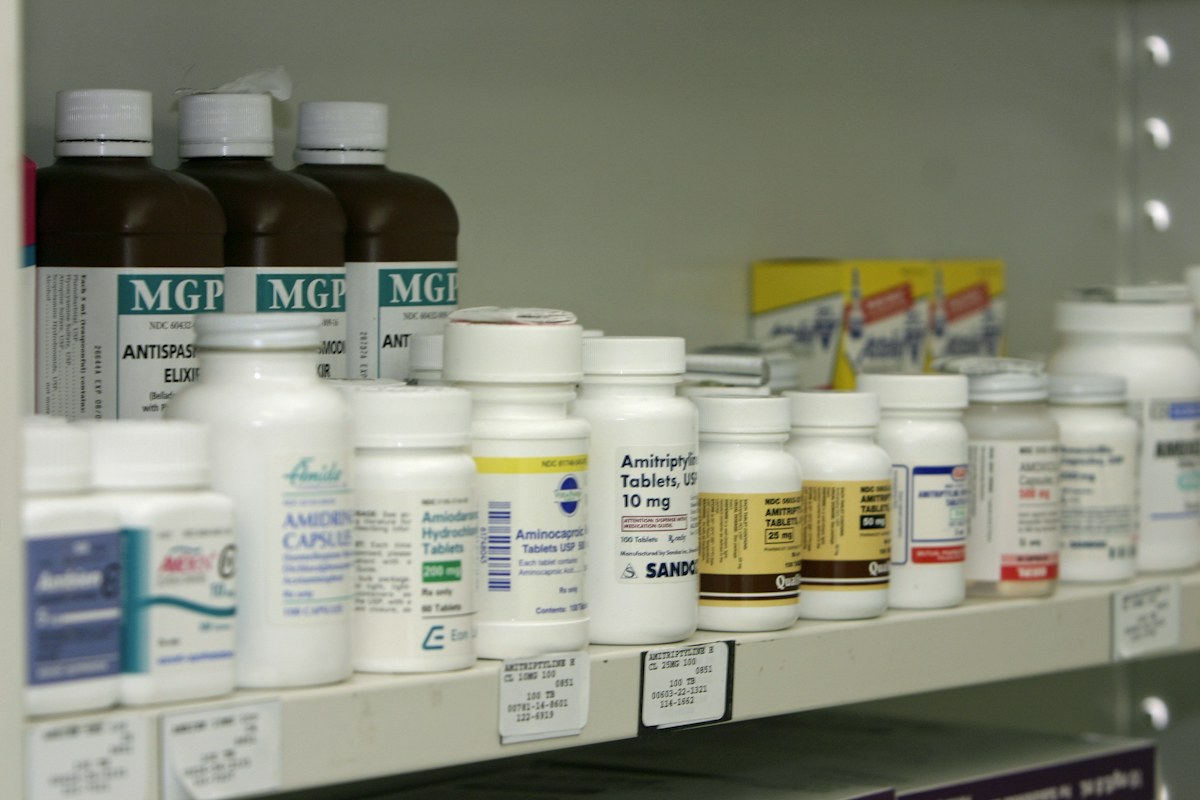
A generic POS can be enough for a small health-and-beauty retailer that mainly needs sales and simple stock. A real pharmacy has extra requirements: batch/expiry traceability, procurement controls, detailed inventory movements, dispensing context and more sensitive access.
The right question is therefore not “does it have inventory?” but “can it represent the way medicines move through this pharmacy?”
Pricing: what moves the cost up?
- Number of branches and users.
- Transaction volume and catalogue size.
- Advanced inventory, batch and expiry capabilities.
- Procurement and supplier workflows.
- Prescription/dispensing and clinical integration.
- Controlled records and audit requirements.
- Integrations with hospital systems, accounting or online ordering.
- Onboarding, data migration and training.
Regulatory and record-keeping perspective
The Pharmacy Council of Nigeria regulates pharmaceutical premises and publishes registration/licensing guidance. Pharmacy operations also involve record-keeping responsibilities that may include inventory, prescription and controlled-drug records depending on the activity and applicable rules.
Software can make records easier to maintain and retrieve, but buying a “compliance-ready” product does not automatically make a pharmacy compliant. The superintendent pharmacist and business remain responsible for the actual regulatory obligations, processes and records.
Questions to ask in a pharmacy software demo
1. Can stock be tracked by batch and expiry date?
2. Can the system warn about near-expiry stock and help us prioritise movement?
3. Can we trace every inventory adjustment to a user and reason?
4. How are purchase orders, receiving and supplier balances handled?
5. Can cashiers sell items they should not access or discount?
6. How are prescriptions or controlled records handled if we need them?
7. Can branch stock be transferred with a proper trail?
8. Can we export our full data if we leave the platform?
9. What happens when internet connectivity is poor?
When custom development makes sense
Most pharmacies should start with a specialist product rather than build from scratch. Custom development makes more sense for a pharmacy chain with unusual integrations, central warehouse logic, B2B distribution, custom e-commerce, hospital integration or workflows that available products cannot support economically.
Even then, the first step should be a process map and gap analysis, not immediately writing code.
Frequently asked questions
How much does pharmacy software cost in Nigeria?
Public Nigerian products show a wide range. Specialist plans can begin around tens of thousands of naira per month and rise into six figures for multi-branch operations, while enterprise and hospital-linked systems are often quote-based.
Can normal POS software work for a pharmacy?
It can work for basic sales and stock, but verify batch/expiry, audit, permission and pharmacy-specific record needs before relying on it.
What is the most important pharmacy inventory feature?
Batch and expiry visibility is critical because the business needs to know not only how many units exist, but which stock should move first and which stock is approaching expiry.
Does pharmacy software guarantee PCN or NAFDAC compliance?
No. Software can support required records and controls, but regulatory compliance depends on the licensed business, professionals, processes and applicable rules.
Nivarix can help a pharmacy or healthcare group map its inventory, branch, dispensing and integration requirements before choosing an existing platform or commissioning custom software. Discuss your project with Nivarix.
Related reading: hospital management software; inventory management software.
Sources and price-checking notes
Indicative ranges are planning guides, not Nivarix rates or a quotation. Provider prices and features can change; check the linked provider page before making a purchase or financial forecast. The product comparisons are selection guides, not a guarantee that one product fits every business.
Photography: cover by National Cancer Institute; article photo by David Trinks, via Unsplash. Photos are illustrative.