
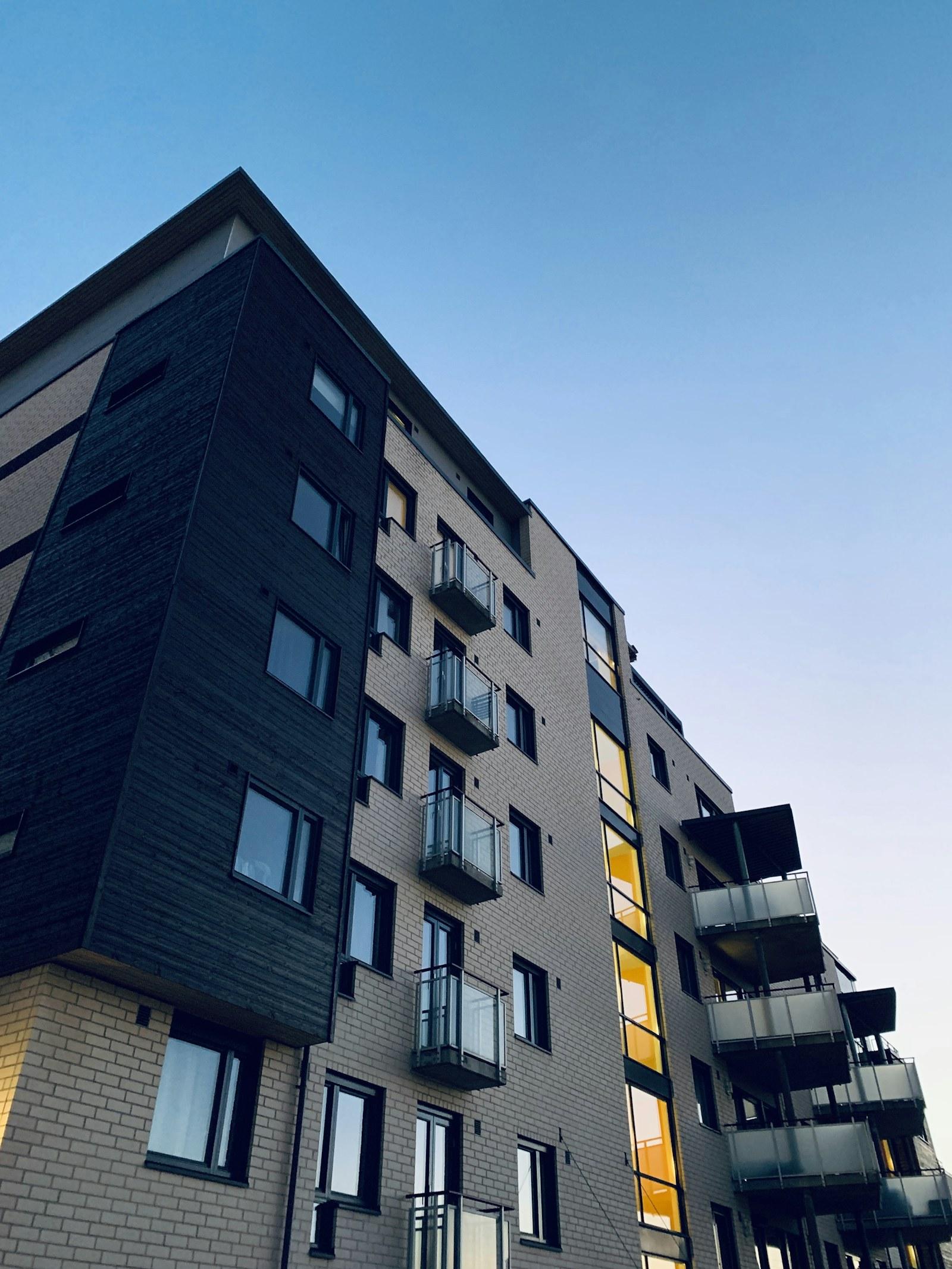
Property management software tracks tenants, leases, rent, service charges, maintenance, expenses and landlord reporting. Nigerian operators can use subscription products, while custom systems can range from roughly ₦2m to ₦12m for core modules and ₦6m to ₦20m+ for deeper service-charge, portal and reporting workflows.
Property management is not the same as property sales
Real-estate sales software tracks leads, buyers, units, instalments and commissions until a transaction is completed. Property management software continues after occupancy. It tracks leases, rent, arrears, maintenance, service charge, tenant communication, expenses and money due to property owners.
Some companies need both systems, but they should not confuse the records and workflows.
Core property management features
- Property, unit, tenant and lease records.
- Rent schedules, invoices, receipts and arrears.
- Lease expiry and renewal reminders.
- Maintenance requests, vendors, costs and status.
- Service-charge budgets and collections where applicable.
- Tenant or resident portal for statements and requests.
- Landlord statements and remittance reports.
- Document storage with role-based access.
- Occupancy, arrears, maintenance and expense reporting.

What matters specifically in Nigeria
Annual or long-period rent payments are common, while many international products assume monthly rent. Service charges may include security, waste, water, estate power, diesel, cleaning, repairs and sinking funds. Test these workflows with your actual numbers before choosing a platform.
Bank-transfer reconciliation, receipts and WhatsApp communication also matter. Estate staff often work from phones on site, so the product should not depend on a desktop-only process.
Indicative 2026 cost routes
| Route | Indicative cost | Typical fit |
|---|---|---|
| Off-the-shelf subscription | Per unit or user; often USD-priced | Small / standard portfolios |
| Configuration + migration | ₦300k - ₦1.5m | Moving from spreadsheets |
| Custom core system | ₦2m - ₦12m | Unique operational workflows |
| Custom + service charge / portals | ₦6m - ₦20m+ | Large estates or managing agents |
Service charge deserves a serious demo
A property may need budget heads, different apportionment rules, utilities, diesel or generator costs, vendor expenses and year-end reconciliation. If the software only supports one flat annual fee, staff may return to spreadsheets for the hardest part of the job.
For managed portfolios, landlord reporting is equally important. The system should clearly show rent collected, expenses, management fees and remittances for each owner.
When custom development makes sense
Custom software becomes more reasonable as the portfolio grows, multiple companies or estates need different rules, service-charge accounting is unusual, or the platform must integrate payments, access control, utilities, accounting or other systems.
For a small landlord with a handful of units, a disciplined spreadsheet and payment records may still be cheaper than custom software.
Questions to ask before choosing
- Can the system handle our real rent frequency and lease terms?
- How does it record partial payments, deposits and arrears?
- Can tenants receive receipts and statements automatically?
- Does service-charge reporting match how our estate is run?
- Can property owners receive separate statements?
- Can we export all data in a useful format?
- How are staff permissions and tenant documents protected?
- What happens to cost as the number of units grows?
Frequently asked questions
Is property management software useful for one landlord?
It can be, but the value rises as unit count, locations, maintenance activity and reporting complexity grow. A small portfolio may not need a custom platform.
Can it collect rent online?
Yes. A platform can connect to payment providers, payment links or virtual-account flows and automatically reconcile confirmed payments to the correct tenant ledger.
Can it manage estates and facility costs?
Yes, if service charge, utilities, vendors and maintenance are included in the scope. These features vary widely between products.
What data-protection issues should I consider?
Tenant identity documents, contact information, payment history and correspondence are personal data. Review access, retention, processors, exports and current NDPC requirements.
Managing a growing property portfolio? Nivarix can help map rent, service-charge, maintenance and reporting workflows and build a platform when off-the-shelf property tools cannot match the operation. Talk to Nivarix.
Related reading: operational systems.
Photography: cover by Marlene Céline Nordvik; article photo by Maria Ziegler, via Unsplash. Photos are illustrative.