

Choosing an ecommerce platform is easier when you start with the business model instead of the technology. A retailer selling 80 products through Instagram has different needs from a wholesaler offering account-specific pricing, a fashion brand selling internationally, or a marketplace connecting many merchants.
The right platform is the one your team can operate reliably at a sustainable total cost—not automatically the option with the most features.
The short answer
Shopify can be a strong option for businesses wanting a hosted storefront with less day-to-day infrastructure management. WooCommerce can suit merchants already comfortable with WordPress or needing greater flexibility in a familiar content platform. Custom ecommerce development makes sense when the checkout, product rules, integrations, or marketplace model cannot be implemented well with ordinary platform tools.
| Decision factor | Shopify | WooCommerce | Custom build |
|---|---|---|---|
| Hosting and platform operations | Mostly managed within the platform | Business manages hosting and WordPress operations | Depends on chosen infrastructure and support model |
| Extensibility | Apps and APIs, within platform constraints | Plugins, themes, custom WordPress development | Purpose-built workflows and integrations |
| Initial speed | Often relatively quick for standard catalogues | Depends on theme, plugins, and setup | Usually longer for equivalent standard features |
| Maintenance | Subscription, apps, store operations | Hosting, updates, security, plugin compatibility | Engineering ownership, monitoring, upgrades |
| Best reason to choose | Fast standard store operations | Flexible WordPress-based commerce | Requirements that established platforms cannot serve well |
Payments matter more than a beautiful checkout mock-up
A Nigerian merchant should verify supported providers, settlement methods, transaction charges, disputes, and refunds before selecting the platform. Not every gateway works in every country or on every platform configuration.
WooCommerce documents a Paystack integration (https://woocommerce.com/document/paystack/) for merchants in Nigeria and other supported African markets. Paystack and Flutterwave also publish their own pricing (https://paystack.com/pricing) and pricing information (https://flutterwave.com/ng/pricing/), which should be checked again at implementation time because provider terms can change.
Don't choose based on an old blog post that says “all gateways work” or assumes access to a payment service that is unavailable to your business.
What most ecommerce quotes leave out
A developer may quote for the visible storefront while the merchant still needs product photography, descriptions, product uploads, delivery rules, tax decisions, customer support, returns, inventory workflows, and marketing.
When comparing proposals, ask whether the project includes:
- Product import, categories, variants, and collections.
- Inventory control across online and offline channels.
- Delivery and pickup logic for your actual locations.
- Payment verification, refunds, and reconciliation.
- Promotional discounts, gift cards, or wholesale pricing.
- Order notifications and admin training.
- Speed, mobile checkout, accessibility, and analytics.
- Security maintenance and post-launch support.
These details can matter more than whether a store is described as “premium.”
Scenario one: a growing fashion retailer
The business sells a manageable catalogue, accepts orders on social platforms, and wants a proper checkout. A hosted platform or well-maintained WooCommerce store may be enough.
Focus the first phase on accurate products, mobile purchase experience, delivery options, local payment methods, and an order process staff can manage. Custom engineering should not be the default if a supported platform already meets the brief.
Scenario two: a B2B distributor
A distributor may have negotiated customer price lists, minimum order quantities, account approvals, region-based availability, and ERP integrations.
Those requirements deserve a deeper comparison. A platform with an appropriate plugin or app ecosystem might work; otherwise, a custom application or hybrid architecture may be justified.
The question is not simply “Which website looks better?” It is “Can our actual ordering rules be represented accurately, safely, and maintainably?”
Scenario three: a multi-vendor marketplace
A marketplace needs seller onboarding, access controls, catalogue moderation, commission or fee logic, customer disputes, and potentially separate settlement processes. This is a product business, not just a standard online store.
Start with a marketplace workflow diagram and commercial model before committing to a custom build. Nivarix already covers broader marketplace app development (https://nivarix.com/insights/marketplace-app-development-nigeria), which is a separate decision from the platform comparison here.
Think in total cost of ownership
A lower initial quotation does not always mean lower long-term cost. Calculate a 12–24-month estimate that includes platform subscriptions, app or plugin fees, hosting, developer support, payment processing, content operations, and improvements.
For a custom store, add realistic maintenance responsibility and security monitoring. For a hosted platform, evaluate dependencies and recurring charges.
The five questions that decide the platform
- What products and variants are we selling?
- Which payment, shipping, and tax requirements are non-negotiable?
- Will inventory or pricing sync with other business systems?
- Who will maintain the store every week?
- Which features are truly distinctive versus available off the shelf?
Answer those questions before choosing a stack or signing a development contract.
Frequently asked questions
Is WooCommerce free?
The core plugin is available without a typical paid license, but hosting, domain, development, themes, extensions, security, and maintenance still have costs.
Is custom development always better for serious brands?
No. A mature platform can serve substantial businesses. Custom work is best justified by requirements rather than prestige.
Can I switch platforms later?
Often, but migration involves product data, customer accounts, URLs, payment settings, integrations, and search considerations. Planning for ownership and exportability early helps.
Choose the platform around your operation
Nivarix designs ecommerce experiences and connected retail systems. Explore our Retail & Ecommerce solutions (https://nivarix.com/industries/retail-commerce), or send us your store requirements (https://nivarix.com/contact) for a practical platform recommendation and project scope.
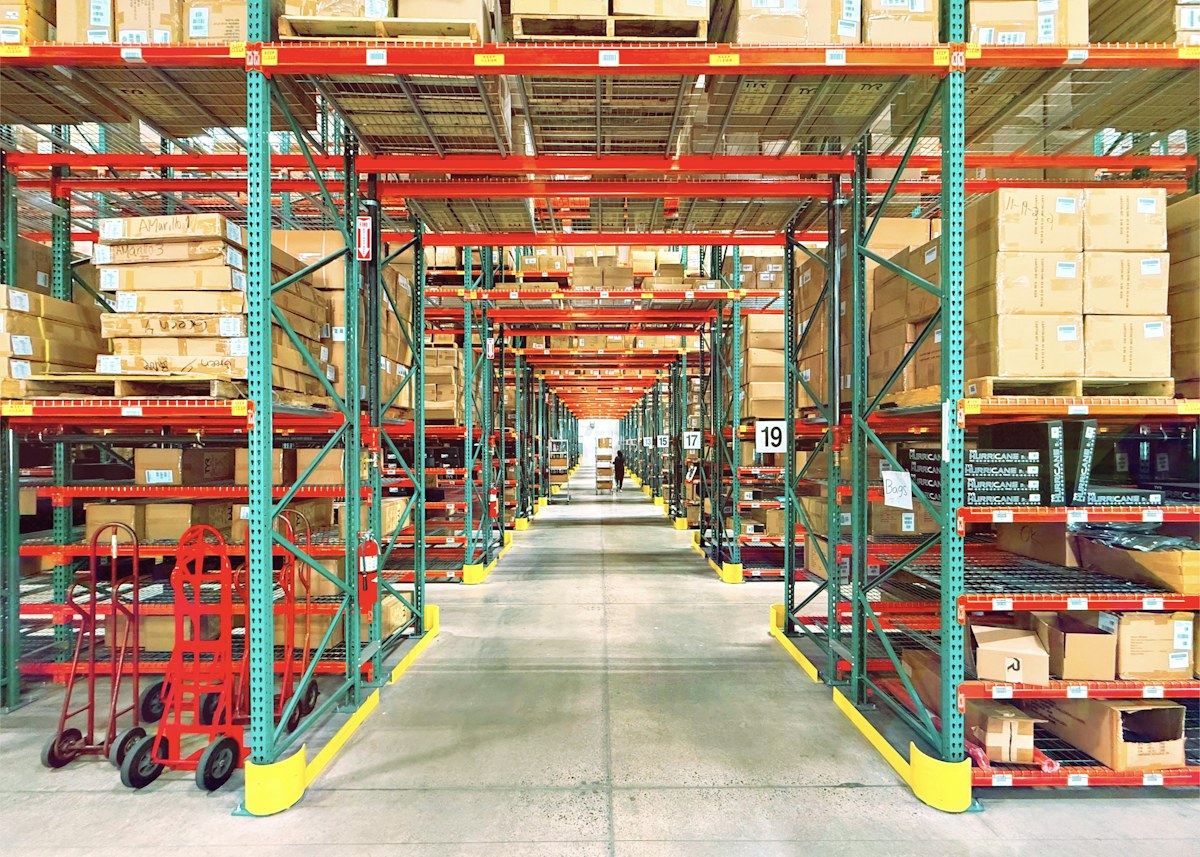
Illustrative photography: cover by Rifki Kurniawan; article photo by Russ Murray, via Unsplash. People and places shown are not Nivarix clients or projects.