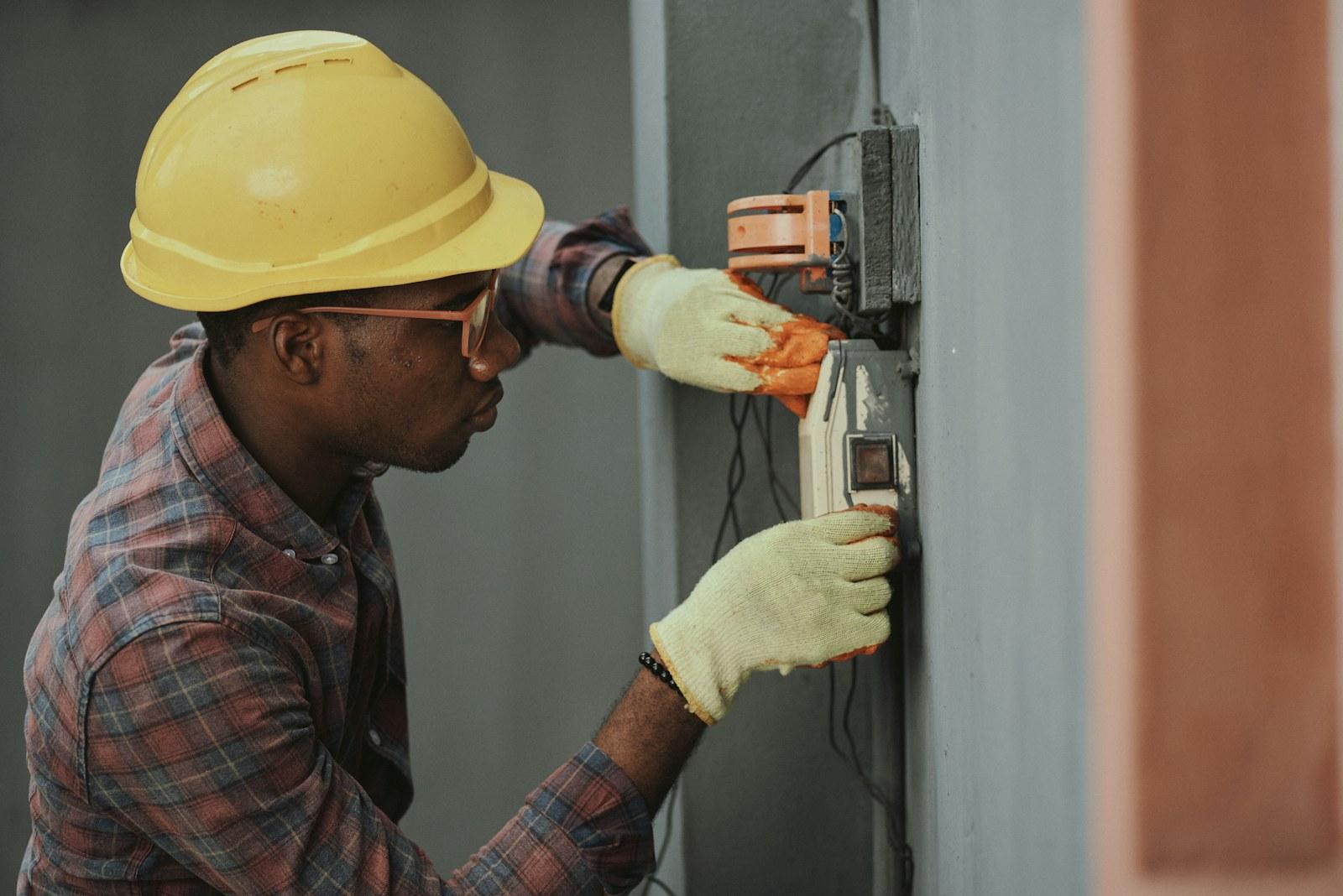

Construction software should connect the project budget to what is actually happening on site. Nigerian products now show local SaaS plans from roughly ₦15,000 to ₦45,000 per month for growing teams, while public estimates for custom construction systems range from about ₦2.5m for smaller contractor workflows to ₦18m+ for larger multi-project operations. The right decision depends on whether standard project, BOQ and reporting workflows fit the company or whether the business has unique approvals, certificates, subcontractor and materials processes.
The problem is not task lists alone
Construction teams already have WhatsApp groups and spreadsheets. The missing link is usually a controlled relationship between budget, work completed, materials, subcontractors, variations, evidence and payment.
A generic task manager can show that blockwork is 'in progress' without showing whether the project is over budget, whether the materials were issued, whether the quantity was certified or what remains payable.
Core construction modules
- Project setup, phases and work breakdown structure.
- BOQ, budget, committed cost and actual cost.
- Procurement requests, approvals and purchase tracking.
- Material receipt, issue, transfer and site stock.
- Subcontractor packages, progress and payment records.
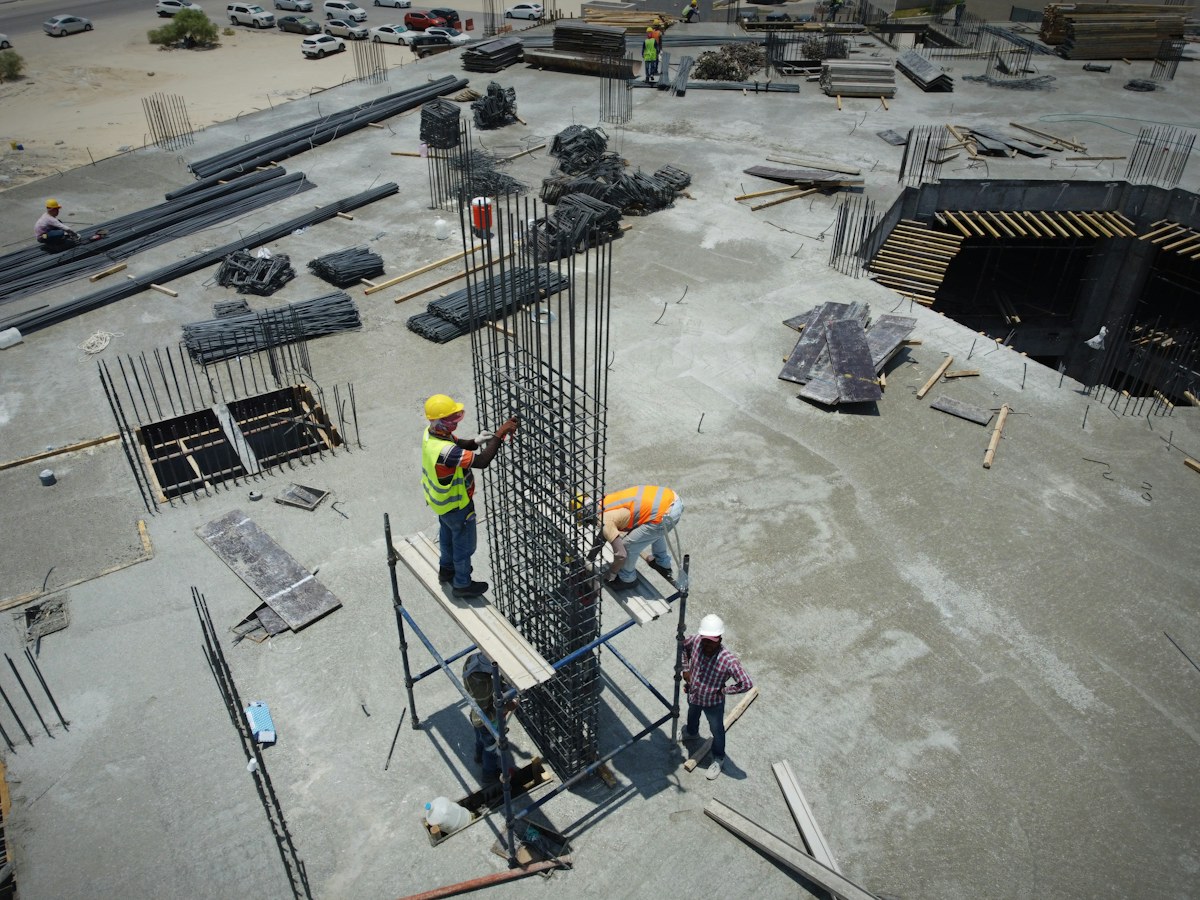
- Daily site reports, photos, inspections and safety checklists.
- RFIs, drawings, document versions and approvals.
- Variations and change-order control.
- Progress measurement, certificates and retention where applicable.
- Project dashboards, cash-flow view and portfolio reporting.
Indicative 2026 cost routes
| Route | Indicative pattern | Best fit |
|---|---|---|
| Local SaaS | Public plans around ₦15k-₦45k/month for growing teams | Contractors who can use standard workflows. |
| International construction suite | Often much higher subscription cost | Larger firms needing mature enterprise features. |
| Custom small-contractor system | Public estimates around ₦2.5m-₦5m | Focused local workflow and a few projects. |
| Custom mid/large platform | Public estimates around ₦5m-₦18m+ | Many projects, integrations, unique commercial controls. |
Build versus buy
| Buy when... | Build or customize when... |
|---|---|
| The team can adopt standard BOQ, project, document and reporting workflows. | Commercial approvals, certificates or project controls are unusually specific. |
| Fast rollout and low upfront cost matter most. | Several internal systems must exchange project, finance and procurement data. |
| The software already supports local tax, currency and document needs well enough. | Data ownership, offline/site workflow or a client portal is strategically important. |
| The organization does not have an internal product owner for a custom system. | The company can own requirements, rollout and long-term system governance. |
Implementation matters more than the feature list
Define one project as a pilot and configure its real BOQ, approvals, users, vendors and reporting cycle. Test site use with supervisors before rolling across the company.
If site teams continue doing the real work on paper and the office re-enters everything later, the software has not solved the problem. Mobile capture should be short, practical and tied to decisions that matter.
The reports management should expect
- Budget vs committed vs actual cost by project and work package.
- Material received, issued and variance.
- Subcontractor progress and amount certified/paid.
- Approved and pending variations.
- Project progress with evidence.
- Cash-flow forecast and upcoming commitments.
- Overdue RFIs, inspections or approvals.
- Portfolio view across active projects.
Frequently asked questions
Can Excel still be part of the workflow?
Yes. Many teams will continue to exchange BOQs or cost data in spreadsheets. Good software should import and export cleanly instead of pretending spreadsheets will disappear.
Is construction software the same as ERP?
No. ERP covers company-wide finance, procurement, inventory and other functions. Construction software goes deeper into project/site execution, BOQ, progress, evidence and subcontractor controls.
Do site teams need a mobile app?
Not always, but mobile-friendly capture is useful for photos, inspections, daily reports and approvals. The interface should be designed for site conditions rather than copied from the office dashboard.
What should we pilot first?
Choose one active project with a cooperative project manager and enough remaining duration to measure whether the software improves visibility and control.
Need construction software around your own commercial process? Nivarix can help evaluate local products, integrate construction data with finance and procurement or build a custom platform around project, site and approval workflows. Talk to Nivarix.
Related reading: ERP software selection.
Photography: cover by Daniel McCullough; article photo by Glenov Brankovic, via Unsplash. Photos are illustrative.