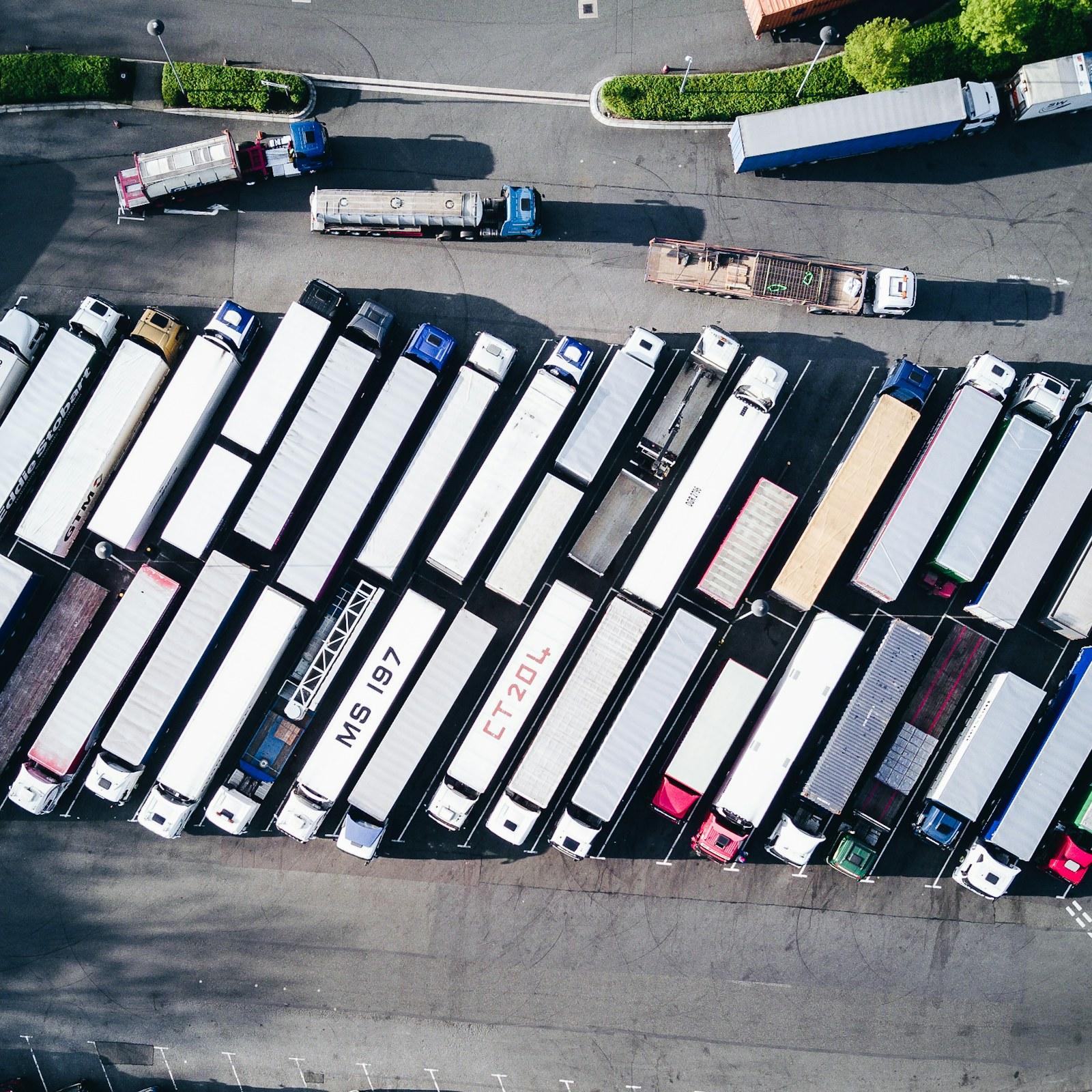

Field service software is useful when a business sends technicians, installers or maintenance teams to many customer locations and dispatch can no longer be coordinated reliably by phone calls and WhatsApp. Pricing is usually per technician/user for SaaS, while a focused custom internal tool can fall into the low-single-digit-million-naira business-software range and a deeper mobile dispatch platform can cost substantially more. Offline work, maps, job evidence, parts and integrations are the main cost drivers.
Who needs field service software?
Common use cases include generator and solar maintenance, HVAC, telecom support, appliance repair, security installation, IT support, facility maintenance and any business where a mobile workforce performs scheduled or reactive jobs at customer sites.
The core problem is coordination: who is free, who has the right skill, who is closest, what the customer expects, what parts are needed, what work was completed and whether the job should be billed.
Core workflow
1. Customer reports a fault or a service visit becomes due.
2. Dispatcher creates and prioritizes the work order.
3. The job is assigned based on skill, location, schedule and availability.
4. Technician receives instructions, customer details and required checklist on mobile.
5. Technician records arrival, work, parts, photos, readings, signature or other evidence.
6. Job is reviewed, closed, invoiced or escalated, and the asset service history is updated.

Features that change the value of the system
- Drag-and-drop scheduling and dispatch.
- Technician mobile app with offline capability.
- Maps, routes and ETA where location matters.
- Customer and site history.
- Asset/equipment records and preventive-maintenance schedules.
- Job checklists, photos, signatures and readings.
- Parts used, van stock and replenishment.
- Quotations, invoices and payment capture.
- SLA timers and escalation.
- Reports for first-time fix, response time, utilization and repeat faults.
How cost is structured
| Route | Cost pattern | Main cost drivers |
|---|---|---|
| SaaS field-service product | Usually per user/technician per month | Team size, modules, automations, integrations. |
| Focused custom tool | Low single-digit millions can cover a narrow workflow | Web dispatch, simple mobile job update, basic reports. |
| Full custom platform | Higher multi-million-naira project | Offline app, maps, stock, assets, billing, integrations, analytics. |
| Enterprise rollout | Scope-based | Branches, large workforce, SLA, migration and integration. |
Nigeria-specific implementation issues
- Design the mobile workflow for intermittent data connectivity.
- Do not require technicians to type long reports on small screens.
- Support photo compression and queued uploads.
- Use addresses, landmarks and map pins together where formal addressing is inconsistent.
- Define whether personal phones or company devices will be used.
- Keep customer, technician and location access limited to people who need it.
What to measure after rollout
Track response time, jobs completed per technician, first-time fix rate, repeat visit rate, parts usage, travel time and jobs that miss SLA. These metrics make scheduling and training decisions possible.
Do not judge the project only by whether staff installed the app. The goal is fewer missed jobs, less dispatcher effort, better evidence and faster closure or billing.
Frequently asked questions
Is field service software the same as booking software?
No. Booking software helps a customer reserve time. Field service software continues into dispatch, technician work, parts, evidence, asset history and job closure.
Should technicians be tracked all day?
Use location only for a clear business purpose and with appropriate policy and data-protection controls. Many teams only need job-time or work-hours location rather than permanent tracking.
Does the mobile app need offline mode?
For teams working across variable connectivity, usually yes. At minimum, assigned jobs and critical forms should remain usable until the device can sync.
Can field service connect to inventory?
Yes. Parts used on a job can reduce technician or warehouse stock and trigger replenishment, which is valuable for maintenance-heavy businesses.
Coordinating technicians across many sites? Nivarix can help design a dispatch and mobile-workflow system around your real service process, including jobs, assets, parts, evidence and integrations. Talk to Nivarix.
Related reading: operational systems.
Photography: cover by Emmanuel Ikwuegbu; article photo by Timur Shakerzianov, via Unsplash. Photos are illustrative.