
AI chatbots can answer repetitive questions, qualify leads, search approved business information, collect booking details and hand conversations to staff. In Nigeria, off-the-shelf tools may start with low setup costs, hybrid implementations can sit around ₦300k to ₦800k, and deeper custom builds can move from roughly ₦600k to ₦1.5m+ before monthly model, messaging and platform costs.
An AI chatbot should do a defined job
The strongest chatbot projects begin with a clear workload: answer product questions, qualify enquiries, retrieve policy information, help customers book, provide order status or prepare a support handover.
A bot that is expected to "know everything" usually becomes unreliable. Define the knowledge it can use, the actions it may perform and the moments where a human must take over.
Website chatbot vs WhatsApp chatbot
A website chatbot is useful when visitors are already on your site and need help understanding products, services or next steps. WhatsApp is more useful when customers already communicate with the business there and expect the conversation to continue after leaving the website.
Many businesses eventually use both channels with the same knowledge base and support rules, but you do not need both on day one.
Three common implementation routes
| Route | Indicative setup/build | Typical use |
|---|---|---|
| Off-the-shelf chatbot SaaS | ₦0 - ₦150k setup; recurring plan | FAQs and simple lead capture |
| Hybrid implementation | ₦300k - ₦800k | Own knowledge + integrations + handover |
| Custom chatbot | ₦600k - ₦1.5m+ | Custom data, controls, workflows and channels |
What makes a useful business chatbot
- A curated knowledge base with current business information.
- Rules for topics the bot should not answer.
- Human handover with conversation context.
- Lead capture and routing.
- Integration with CRM, booking, order or ticket systems where needed.
- Logging and review so incorrect answers can be corrected.
- Clear fallback when the model is uncertain.
- Analytics on unresolved questions, handovers and conversion.
WhatsApp has its own operating costs
The WhatsApp Business Platform has message categories and market-based pricing that can change over time. In 2026, many template messages are billed per delivered message, while customer-service windows have different charging rules. Your provider may also add platform or inbox fees.
Do not hard-code a chatbot business case around one old WhatsApp rate. Check Meta's current rate card and the provider's fees when estimating monthly cost.
Protect customer data and keep humans in control
Chat conversations can contain names, phone numbers, order details, payment questions and other personal information. Define what the bot is allowed to collect, where logs are stored, who can access them and how long they are retained.
For sensitive or high-impact decisions, keep human review. The Nigeria Data Protection Act and NDPC guidance should be considered when personal data is involved, especially where external AI or messaging processors are part of the stack.
Build or buy?
Buy when the job is standard and an existing product already connects to the channels you need. Build or use a hybrid approach when the bot must search proprietary information, follow your own business rules, perform actions in internal systems or meet stricter data and control requirements.
The chatbot should be judged by operational outcomes such as faster response, better lead capture and fewer repetitive support tasks, not by how human it sounds.
Frequently asked questions
Can an AI chatbot reply on WhatsApp?
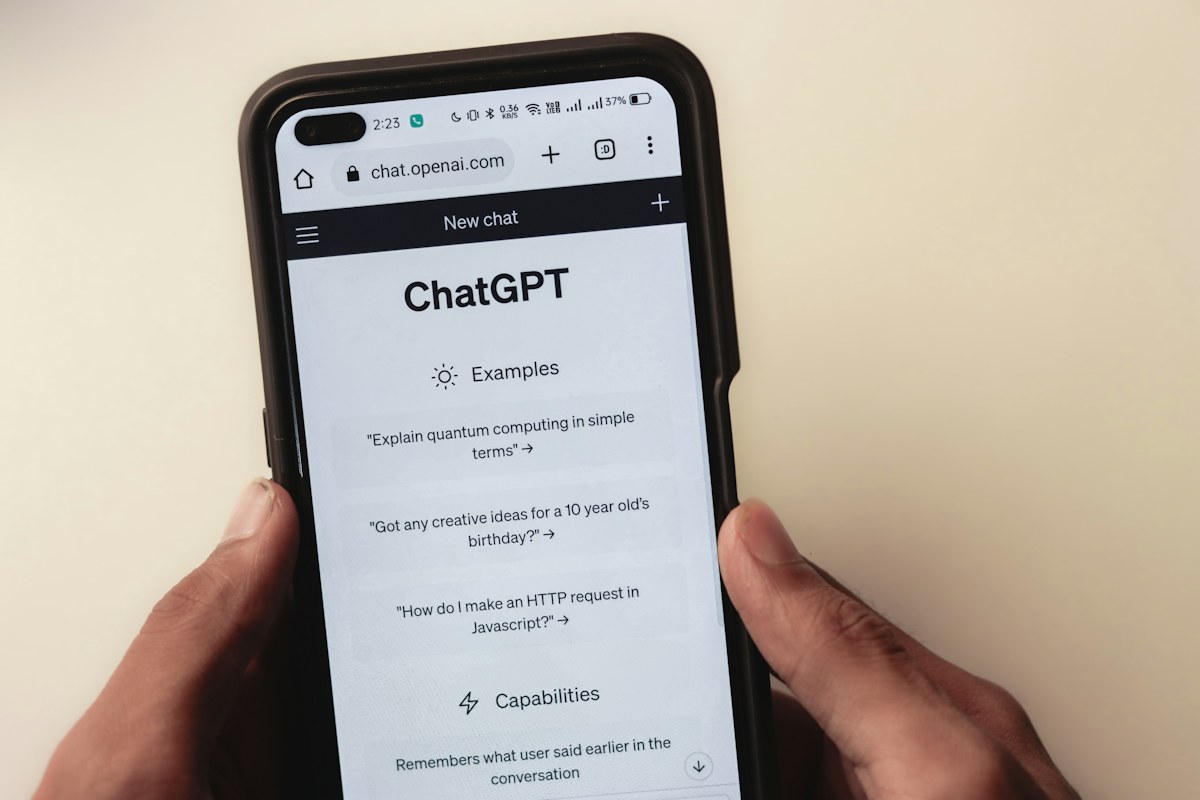
Yes, when it is connected through an appropriate WhatsApp Business Platform setup and provider. The exact onboarding, messaging rules and costs depend on the route used.
Can a chatbot book appointments?
Yes. It can collect requirements, show or query availability, create a booking and send confirmation if it is integrated with the booking system.
How do I stop the bot from inventing answers?
Limit it to approved information where possible, use retrieval from your knowledge base, define refusal and escalation rules, test common questions and review logs regularly.
Should the bot replace human support?
Usually no. The most practical design automates repetitive questions and routine actions, then hands exceptions, complaints and sensitive cases to people with the relevant context.
Exploring AI customer support? Nivarix can help design a chatbot around your real support or sales workflow, connect it to approved business data and integrate it with the systems staff already use. Talk to Nivarix.
Related reading: practical AI automation use cases.
Photography: cover by Charanjeet Dhiman; article photo by Sanket Mishra, via Unsplash. Photos are illustrative.